
The mantra of the right wing press in Britain is low taxation. But in reality this low taxation only really applies to the rich. Global organisations investing in large developments in London are given tax exemptions. There are many companies which pay low or no tax by using shell companies, tax havens and expensive lawyers.
The current Tory government has a free and easy way with tax payers money and has handed out billions of pounds to their friends for PPE that was never delivered or didn’t work. This profligate approach is in contrast towards those who genuinely need help.
Here the Tories practice parsimony through means testing and constant reduction in ‘benefits’ payments. While no one in government knows how much was spent on PPE that never worked, politicians can calculate that an adult can live by spending 30p a day on food.

The financing of Red Vienna was not like this at all. There were essentially two official political powers involved in Vienna. That of the city-state council and that of the national government (Vienna formed its own state after 1922).
The socialists controlled Vienna, the right wing Christian Socialists controlled the parliament. This meant the socialists could not print money, and nor did they command the fiscal policy of the country. However, Vienna did have its own independent legislative authority and the power to raise property taxes. It also had a right to a portion of the federal tax revenue.
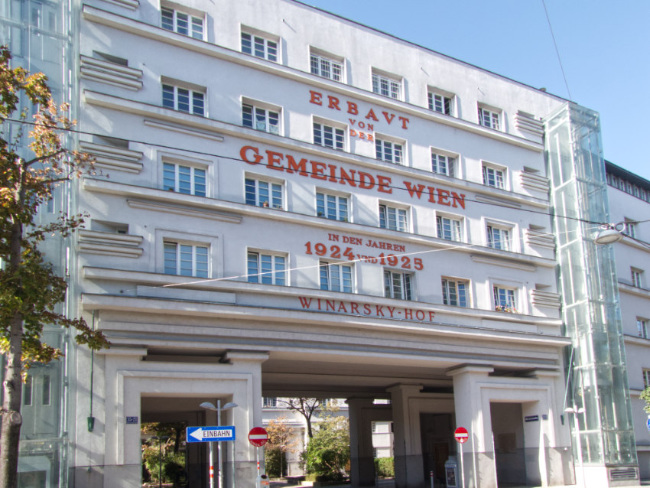
The socialists were effectively in control of Vienna from the end of the First World War and gained a clear electoral majority in the election of 4 May 1919. Some of the immediate tasks at the end of the war were the provision of (emergency) housing, food and basic services.
Another starting point for the new socialist administration was the re-organisation of the administration of the city. This had been dominated by an undemocratic and imperial bureaucracy. As part of this re-organisation, Hugo Brietner was invited to become the head of finance in the new regime.

Brietner had started his banking career as a clerk and in that position helped to set up a section of the union in the bank where he worked. By 1917 he had become a director at the Landebank and resigned from the union, feeling that his managerial position was incompatible with rank and file union membership. But he remained a committed socialist and he had a great talent for financial management.
In his new position within the socialist administration Brietner was firm that there would be no debts. Instead of borrowing money, Brietner introduced a range of taxes which became known as the Brietner taxes.
These applied to luxury goods, luxury consumption, luxury establishments, horses and horse racing, cars and the employment of domestic servants. An entertainment tax was introduced and applied to theatres, cinemas, balls, operas, circus and certain public events. Employers paid a welfare tax and a progressive housing construction tax was introduced (Wohnbausteuer).
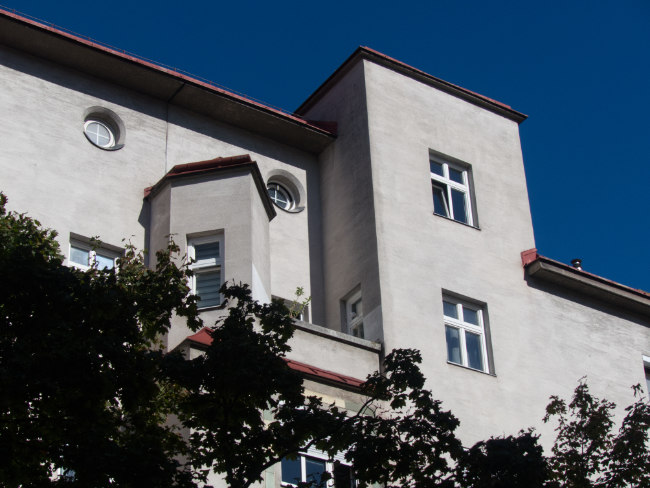
Property taxes were aimed at villas (there are some huge ones in the suburbs of Vienna) and private homes (there are plenty of luxury apartments) and at the same time more or less left working class housing alone. Small apartments were hardly affected; luxury properties were taxed a high rates. The whole package represented a series of progressive direct taxes.
This of course had the right wing stamping up and down with steam and froth whistling out from various orifices. The federal government, the church, the military, the Christian Socialists, industrialists, big business and other representatives of the ruling class mobilised together their opposition. In the usual right wing way anti-semitic tropes were used against Brietner.
Between 1934 and 1945 when the fascists were in control there is no evidence of any house building at all. And as a consequence of right wing negativity, nihilism, militarism and war, it was people and buildings and playgrounds and hospitals and schools that were destroyed.

It’s also worth noting that the attitude and practice of disciplined financial control across Vienna between 1918 – 1934 had an impact in many different ways. In terms of building the 400 blocks of apartments, care was taken to control certain costs, but expenditure was also used to create employment.
Certain construction processes were mechanised – digging foundations and ditches and mixing cement. Standardisation was introduced in the building of the apartments; windows, toilets, sinks, bannisters, door knobs, doors. This enabled the city to bulk buy and therefore gain economies of scale.

Other features of the apartment blocks and estates were commissioned from craft workers; statues, metal working, carpentry, landscaped gardens. This provided employment for large numbers of people. Stucco was added to most buildings as this was a relatively straight forward labour process and provided substantial employment for low-skilled workers.
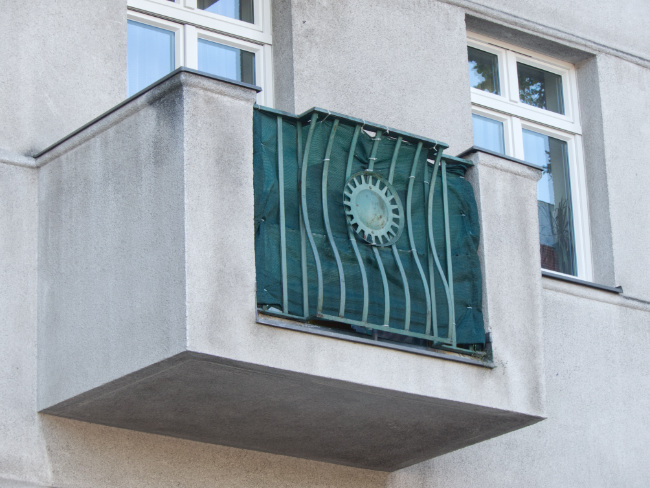
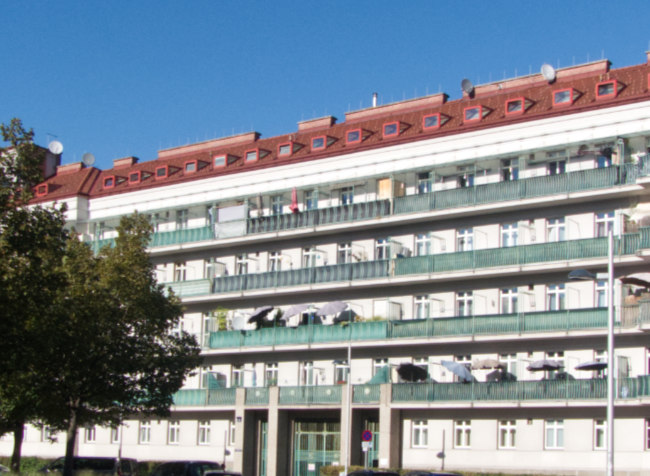
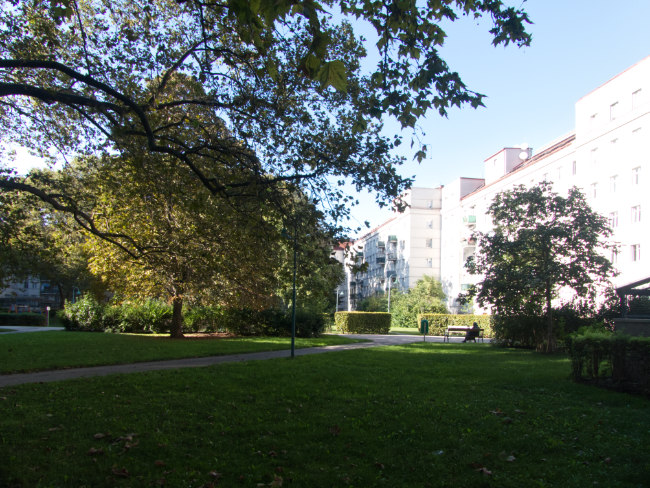
The Vienna State council controlled its supply chains and effectively managed the procurement process. It also bought up suppliers to minimise its costs. Sand was produced by the city-owned Building Materials Company (Wiener Baustoff AG) and it used its own ships and tugs. Bricks and tiles were produced by the Ober-Laa brick kilns which the council acquired in 1919. The Hinterbrühl limekiln and Kaltbrunn quarries were purchased in 1918 and 1922 respectively. The municipality bought its own granite works, paving stone works, tile factories and repair shops.
Contrast all of this with the current set up in England.
The central bureaucracy of the government, the various departments for transport, health, housing are not fit for purpose. The Department for Transport – to take just one – is an incoherent mess. There are no underlying social principles or any sense of working towards delivering an integrated transport network as a service to the people of the country. Everything is about privatisation and money. There is a constant revolving door whereby senior civil servants go off and work for private companies and big stars from the private sector end up lobbying and advising government.
Public organisations such as the NHS are forced into pseudo-market conditions in which the suppliers hold all the power and can maximise their profits.
Central government ignores its own procurement standards over and over again. It did so during the Covid pandemic and it has done so with the awarding of contracts to privatised rail companies and much else.
There is a lack of quality control standards in the building industry which has led to Grenfell and now the RAAC scandal. Yes, low taxes (for some) but the tax payer is constantly paying for poor quality (and at times dangerous) infrastructure.
The housing in Vienna was debt free in 1923 when it started to be built and it is debt free 100 years later. All over England there are schools, hospitals and other public buildings that have been forced into Private Finance Initiative deals where the interest payments will be greater than the costs of the actual buildings. And the debts will be ongoing for years to come.

It is difficult to explain the contrast between Vienna in 2023 and parts of England that I’m familiar with. I realise Vienna is a capital city of two million people and as a capital city it has various advantages. But surely something can be done in England about the shocking living conditions that so many people find themselves in? To mend the once proud and well managed estates that are now ravaged with petty crime, drug and alcohol abuse and with far too many people with far too many problems and far too little help.
One things for sure. The Tories don’t have a single answer to any of the hundreds of questions that are being asked. And unfortunately so it seems, neither does Labour. Which is odd, because I’m not convinced the road to reform is closed. But for reforms, there must be reformists. And if the reformists won’t fight for reform, well then, it must be the revolutionaries who lead the way.
 Commodity Fetishism
You must be logged in to post a comment.